
How DIVA Emerged
DIVA did not begin with a database, a dashboard, or a technology grant.
It began with a question.
For more than two decades, through academic research, territorial observation, institutional experience, and continuous interaction with different cultural, social, and governance environments, one recurring challenge became increasingly evident: information was everywhere, but understanding was not.
Valuable knowledge existed across reports, archives, maps, institutions, local communities, cultural heritage, environmental resources, and individual experiences. Yet these fragments rarely converged into a coherent framework capable of supporting territorial understanding, planning, and informed decision-making.
Historical memory, cultural heritage, environmental assets, economic dynamics, demographic trends, and governance processes were often treated as separate realities, despite being deeply interconnected dimensions of the same territorial system.
This observation gradually led to a fundamental question:
How can fragmented information be transformed into actionable territorial intelligence?
DIVA emerged as a response to this challenge.
From its earliest conception, the framework was driven by the belief that effective territorial development requires more than the collection of data. It requires the ability to structure, connect, interpret, and contextualize information across multiple dimensions of territorial life.
Over time, this vision evolved from an early conceptual intuition into a practical digital infrastructure integrating territorial indicators, geospatial intelligence, structured databases, cultural and environmental knowledge, governance-oriented analytics, and decision-support capabilities.
However, DIVA was inspired by more than a technical challenge.
It was also motivated by a responsibility toward territorial memory.
Territories are not simply collections of data. They are the result of generations of people who have shaped landscapes, communities, traditions, institutions, and cultural identities over time. The knowledge embedded within these territories represents a collective heritage that deserves to be preserved, understood, and shared.
For this reason, DIVA was conceived not only as a digital infrastructure, but also as a framework capable of making territorial knowledge visible, accessible, and understandable for citizens, institutions, researchers, and future generations.
Its purpose is not merely to collect information, but to transform fragmented knowledge into a shared digital memory that supports understanding, transparency, and more informed decision-making.
At its core, DIVA is founded on a simple principle:
Territories cannot be understood, managed, or transformed effectively when information remains fragmented, disconnected, or inaccessible.
By integrating data, spatial interpretation, cultural intelligence, and governance-oriented analysis, DIVA seeks to transform dispersed information into territorial intelligence capable of supporting communities, institutions, and decision-makers in understanding complexity and shaping more sustainable futures.
Today, DIVA represents the operational manifestation of a long-term interdisciplinary journey connecting territorial observation, digital innovation, spatial intelligence, cultural heritage, and evidence-based governance into a unified framework for territorial understanding and decision support.
Ultimately, DIVA is dedicated to the territories it serves, to the generations that built their cultural and environmental heritage, to the citizens who live within them today, and to the generations that will inherit them tomorrow.
Its mission is simple:
To make territorial knowledge visible, understandable, and actionable, transforming fragmented information into shared intelligence for present and future generations.
INTERDISCIPLINARY EVOLUTION OF TERRITORIAL SYSTEMS
From Systems Thinking to Territorial Intelligence
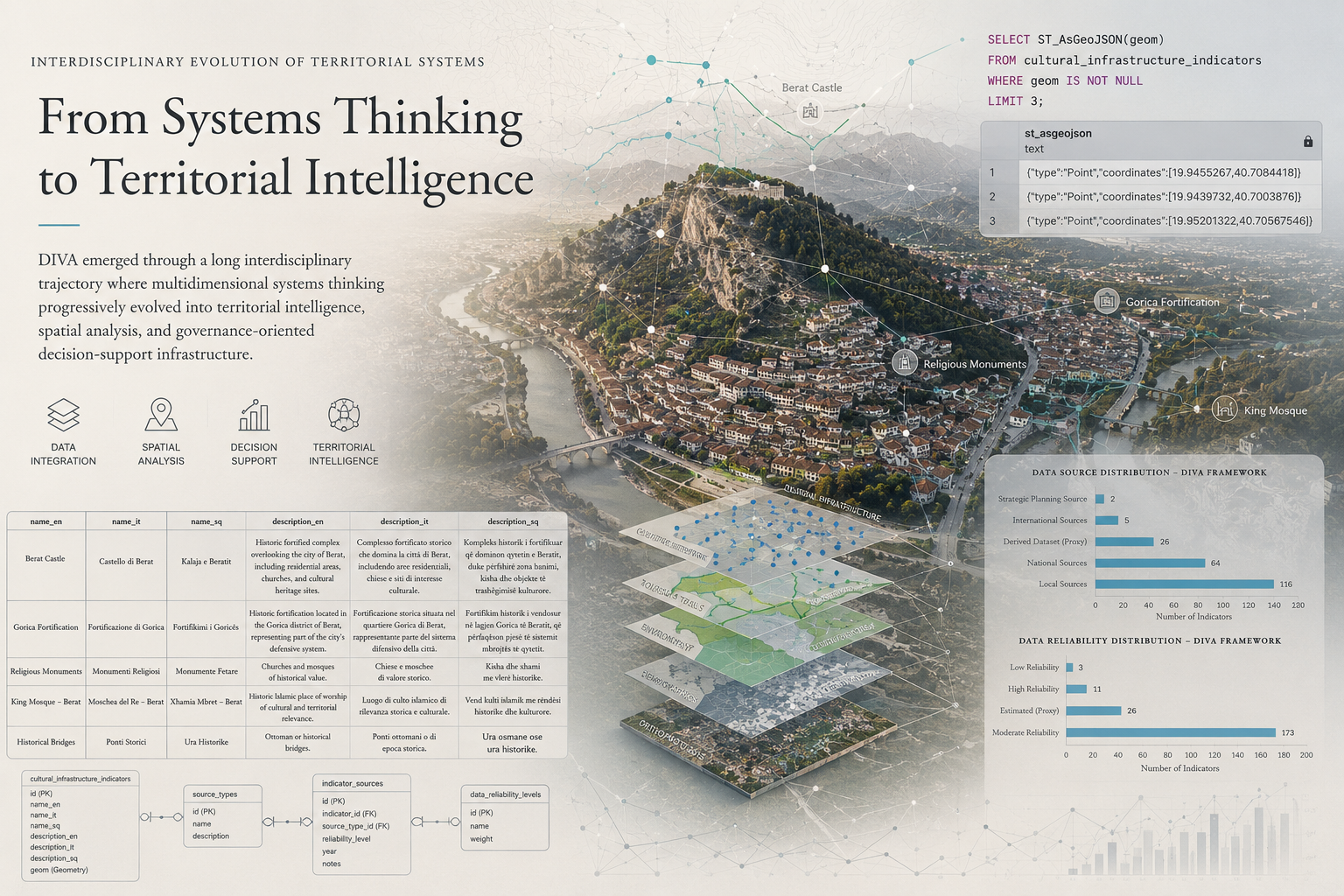
DIVA emerged through a long interdisciplinary trajectory where multidimensional systems thinking progressively evolved into territorial intelligence, spatial analysis, and governance-oriented decision-support infrastructure.
The Emergence of Territorial Intelligence Structures
The evolution of DIVA emerged from the progressive integration of multidimensional systems thinking, territorial analysis, spatial interpretation, and structured data architectures. Over time, conceptual explorations evolved into operational frameworks capable of organizing territorial complexity through interoperable indicators, GIS integration, and governance-oriented analytical structures.
This transition transformed abstract systems thinking into a computable territorial intelligence infrastructure where spatial data, cultural heritage, environmental dynamics, and socio-economic indicators could be integrated into decision-support processes. The framework progressively evolved toward adaptive territorial governance and evidence-based spatial interpretation.
Evolutionary Trajectory of the Framework
Trace the significant milestones that have shaped our framework, marking the evolution of systems thinking and its application in diverse contexts.
FOUNDATIONAL PHASE
2005
Early Conceptual Exploration of Borders and Territorial Dynamics
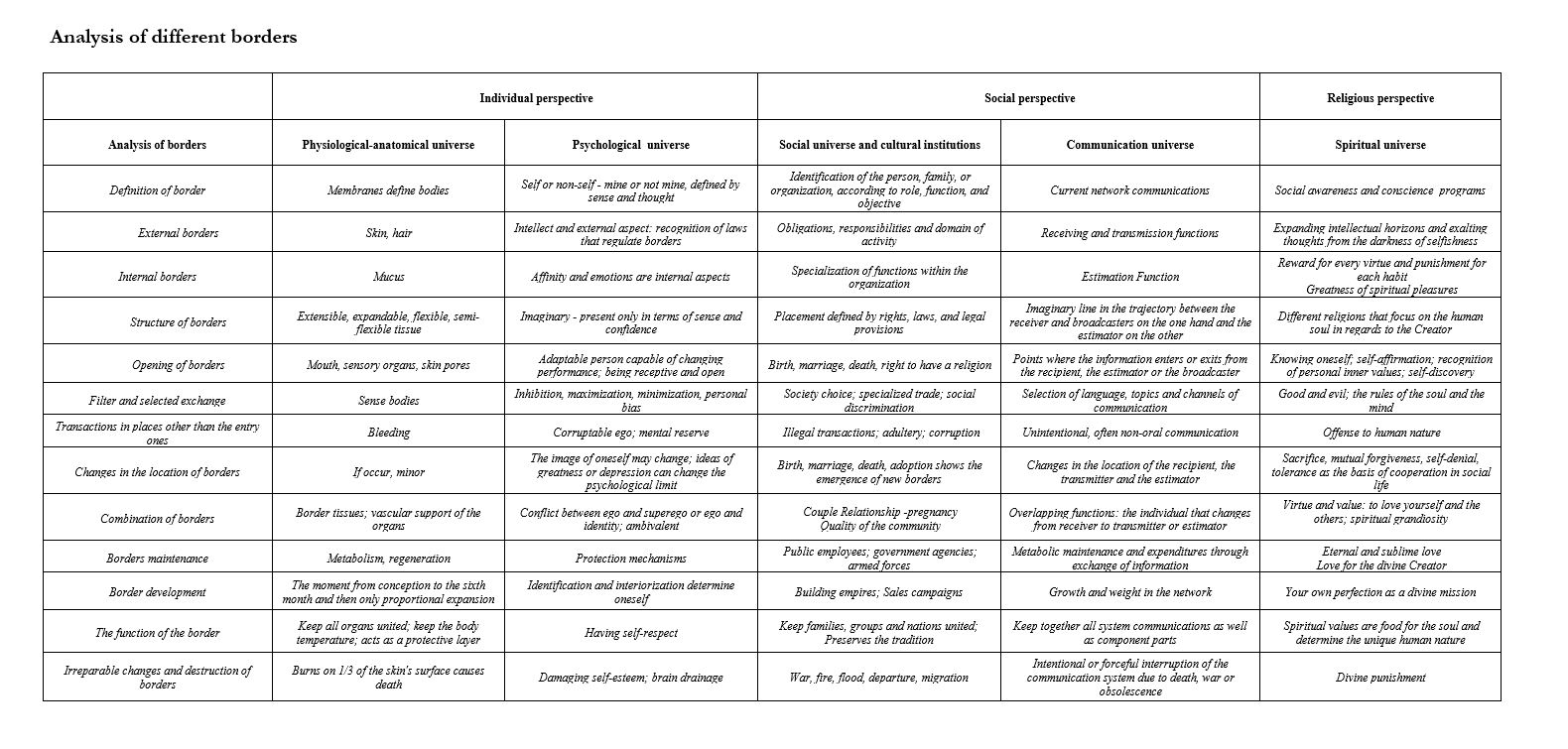
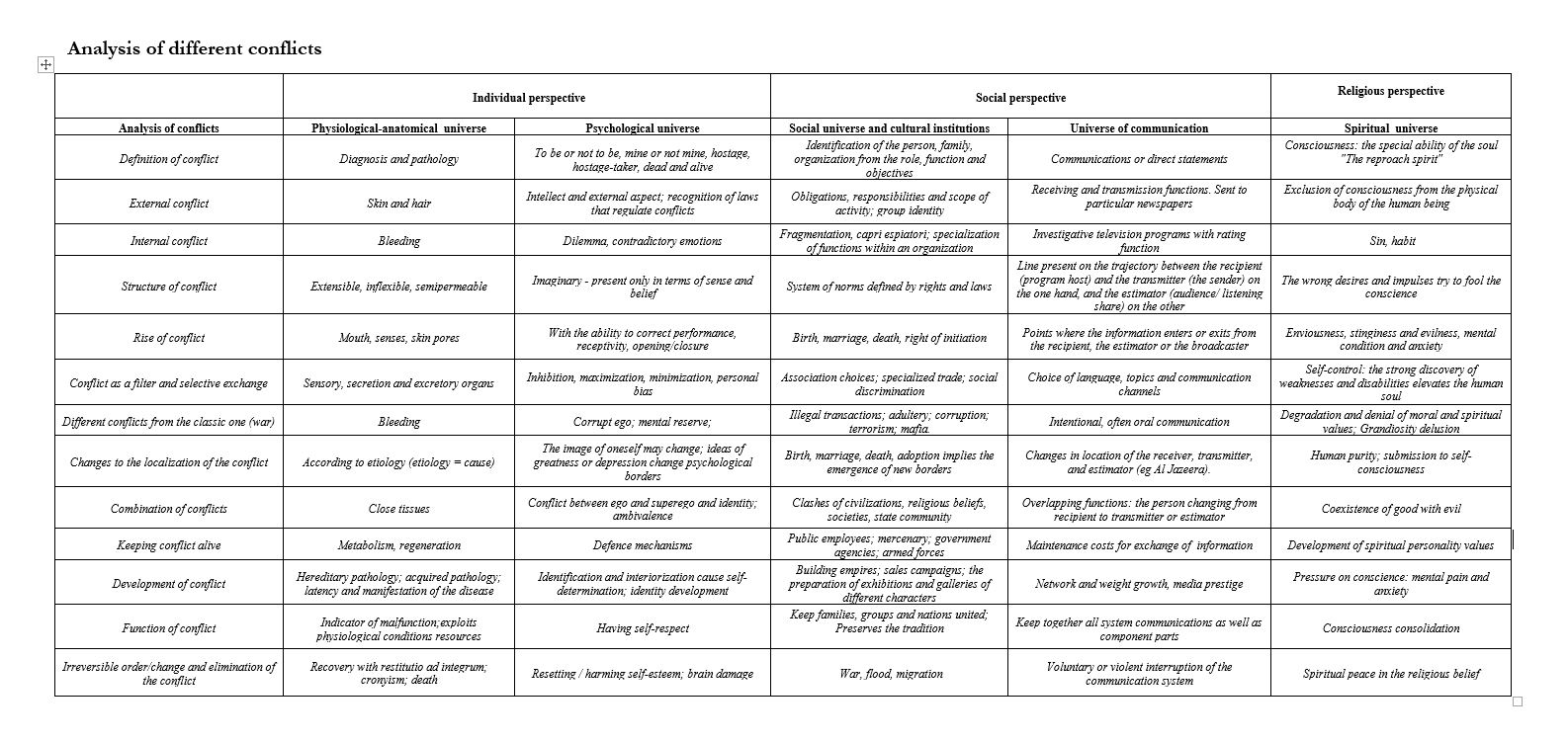
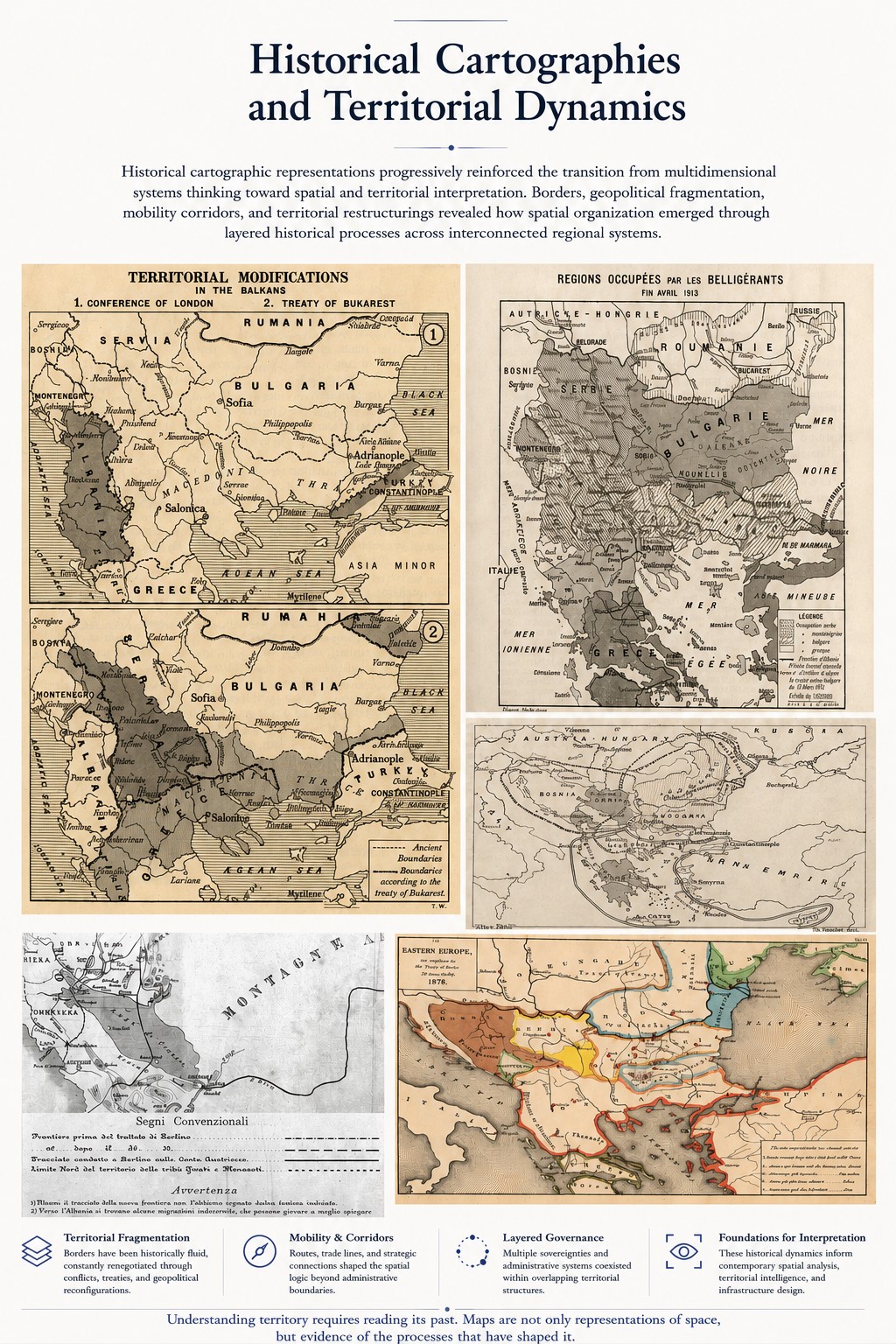
This early conceptual matrix explored the multidimensional interaction between borders, communication systems, institutional structures, and human behavior across interconnected physiological, psychological, social, and spiritual dimensions. These preliminary analytical reflections later contributed to the evolution of territorial intelligence, spatial analysis, and governance-oriented decision-support infrastructures.
This phase established the conceptual foundations for interpreting territorial systems as interconnected multidimensional structures rather than isolated geopolitical entities.
GIS Layers, Spatial Intelligence and Territorial Interpretation
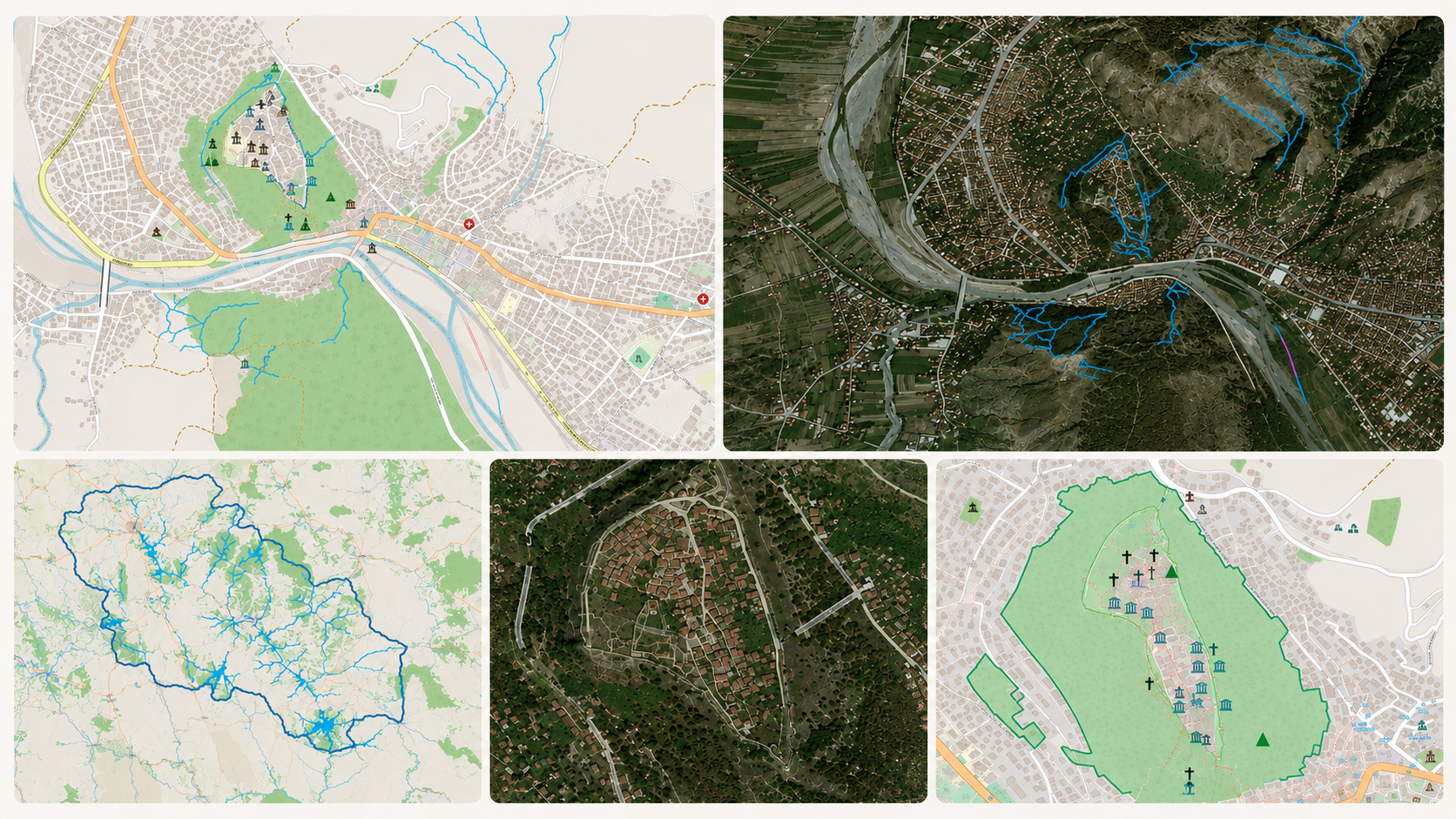
OPERATIONAL PHASE
2015–2025
From Spatial Interpretation to Territorial Intelligence Infrastructure
This phase transformed conceptual territorial interpretation into an operational territorial intelligence infrastructure through GIS integration, interoperable databases, structured indicators, and geospatial decision-support systems.
The Emergence of DIVA
DIVA emerged as the operational evolution of interdisciplinary systems thinking, integrating territorial analysis, GIS environments, structured databases, and governance-oriented decision-support infrastructures.
The framework progressively evolved from conceptual territorial interpretation into an applied territorial intelligence architecture capable of supporting spatial understanding, data integration, and adaptive territorial governance.
From Data to Territorial Intelligence
DIVA integrates geospatial analysis, structured indicators, cultural and environmental datasets into a unified territorial intelligence infrastructure supporting evidence-based interpretation and strategic governance processes.