Towards an Intelligent Governance
Digital Transformation of the Municipality of Berat
Discover how the strategic use of data is revolutionizing territorial planning and management in Berat.
Workshop I Objective
Workshop I was organized to initiate a process of administrative modernization in the Municipality of Berat. The main objective is to create a common language between people, data, and territory, improving the quality of planning and local governance through the strategic use of data.
Functional Areas of the Project
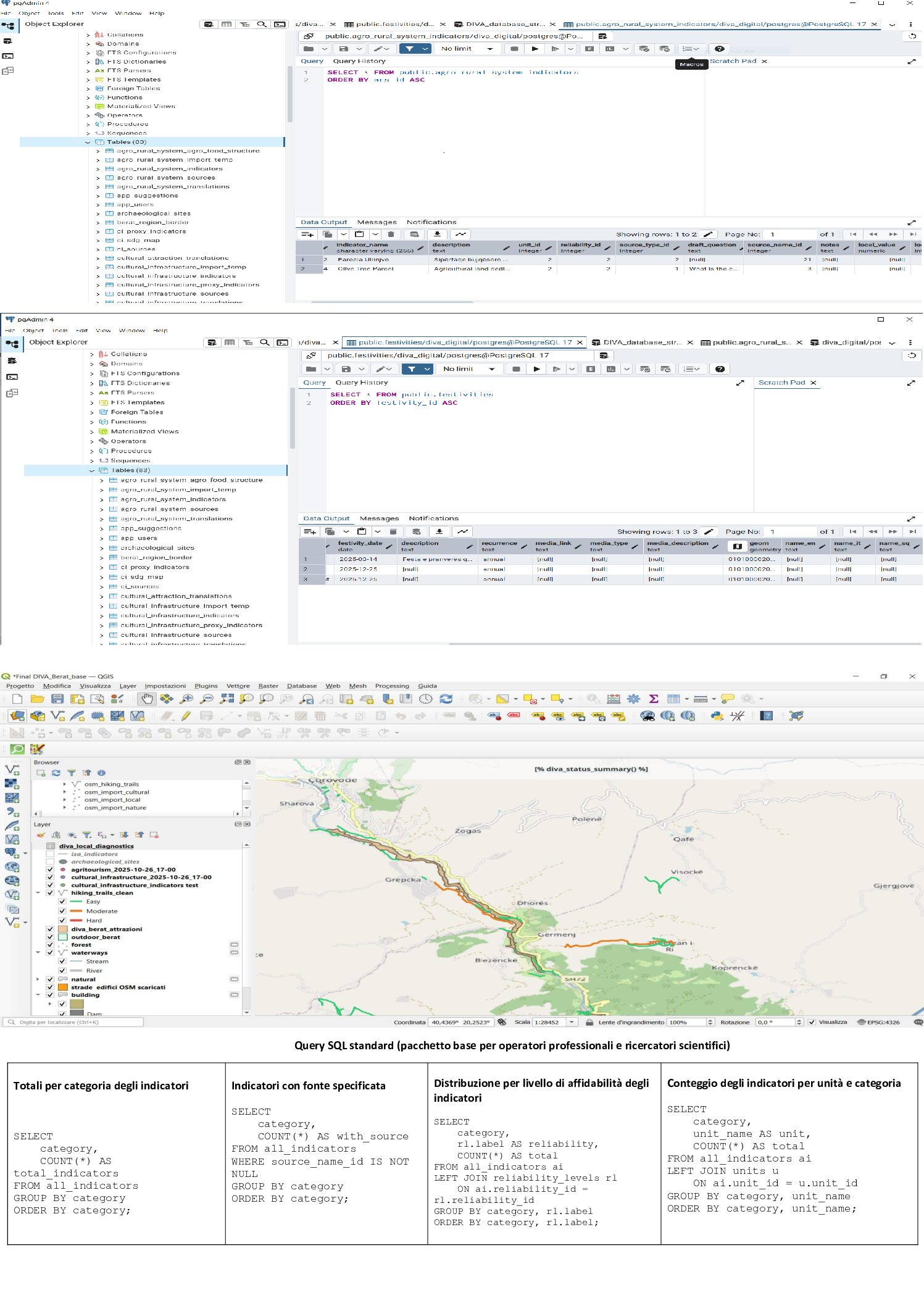
Data and Statistics
Data management and analysis to support informed and strategic decision-making.
GIS and Mapping
Implementation of GIS systems for advanced spatial visualization and territorial management.
Tourism and Culture
Promotion of cultural and tourism heritage through data and innovative technologies.
An Institutional Reflection on Process, Questions, and Shared Vision

The event that marked the concrete start of the digital transformation
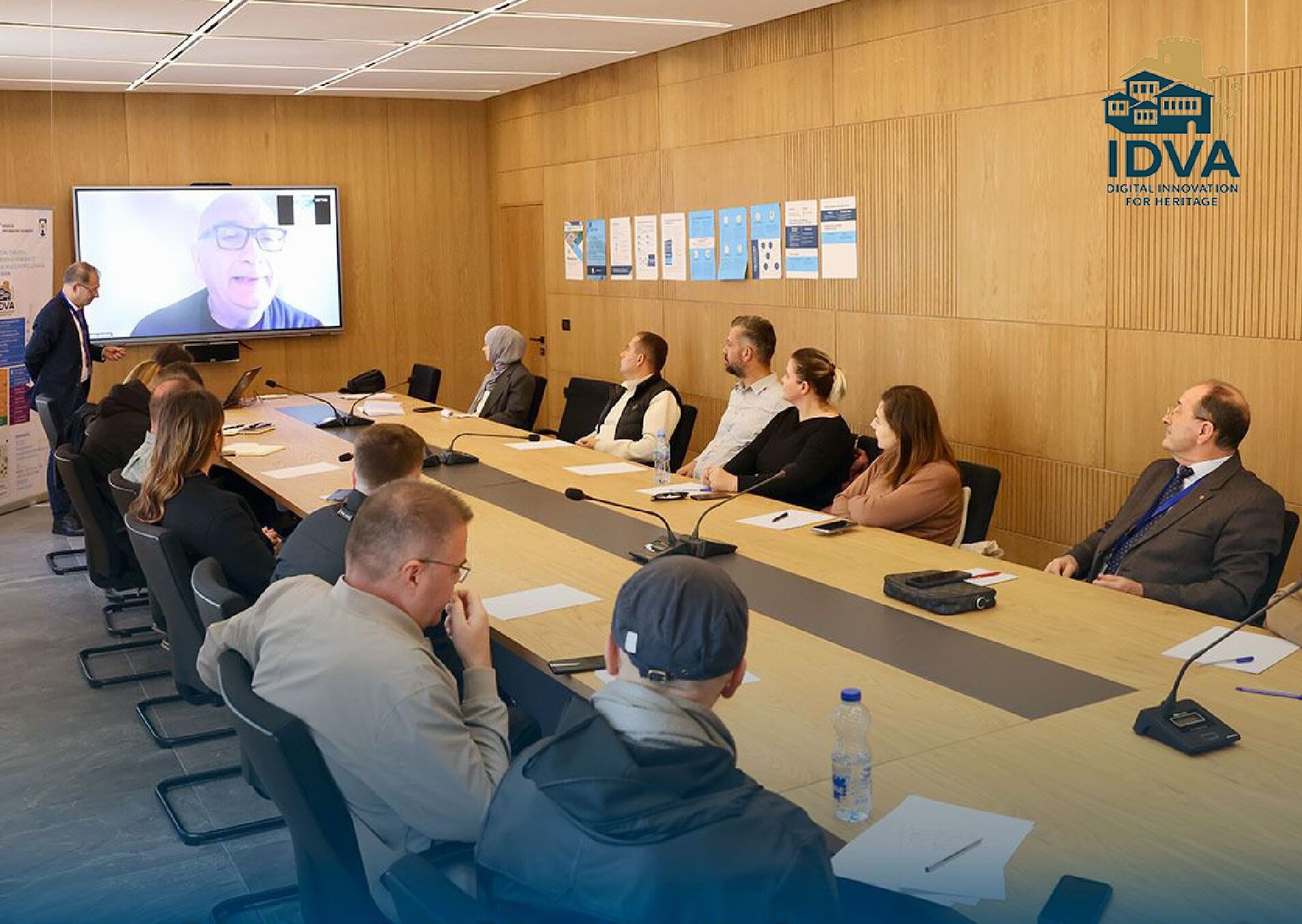
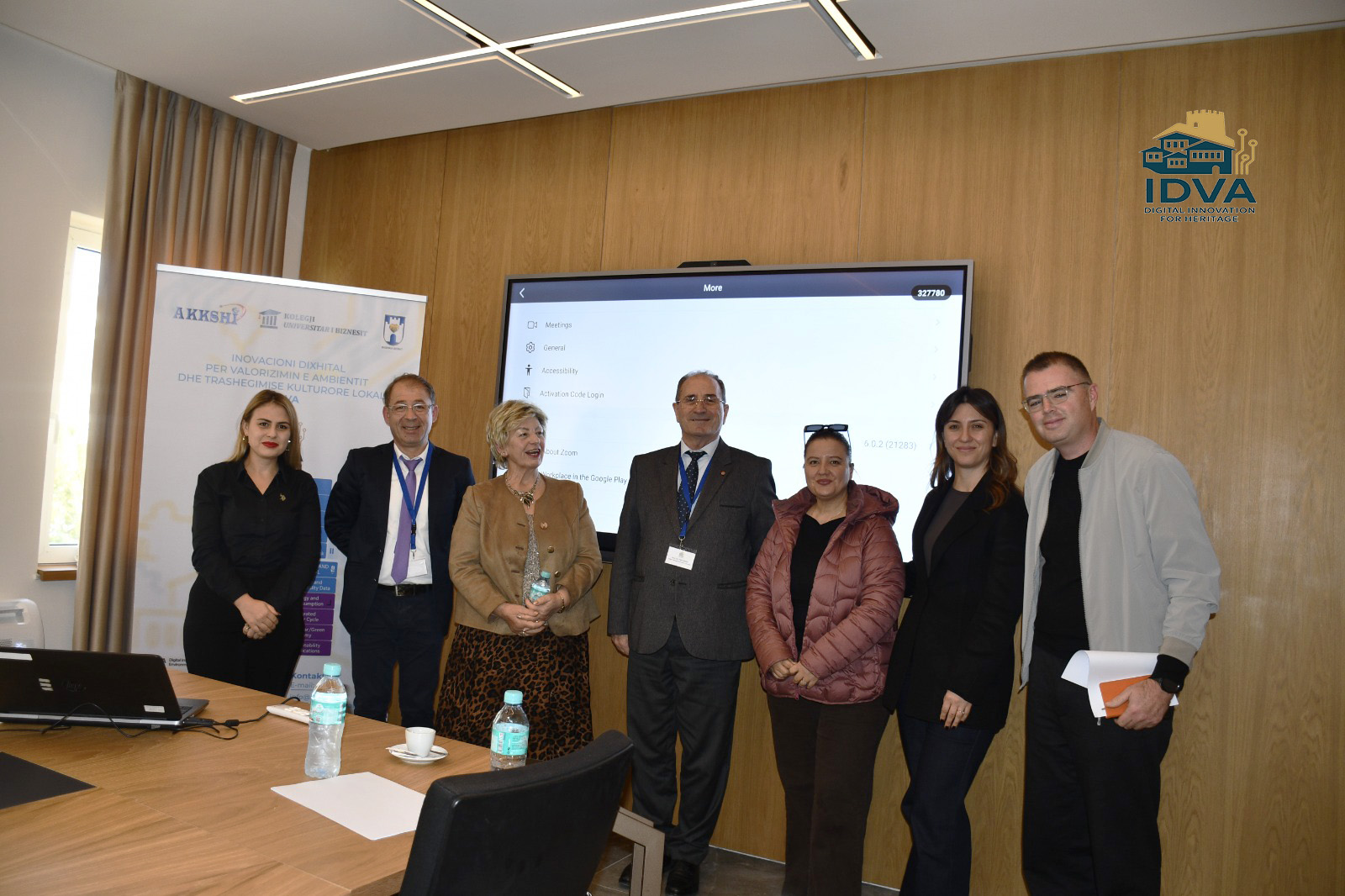
On November 14, 2025, the first Workshop of the DIVA project was held at the Municipality of Berat, bringing together municipal directors, specialists from various sectors, and the academic team of CUB.
The aim of the meeting was to understand how a new structured model of indicators and data can support the renewal of administrative management.
Key Questions That Emerged During Workshop I
Direct questions that clarified the institution’s real needs
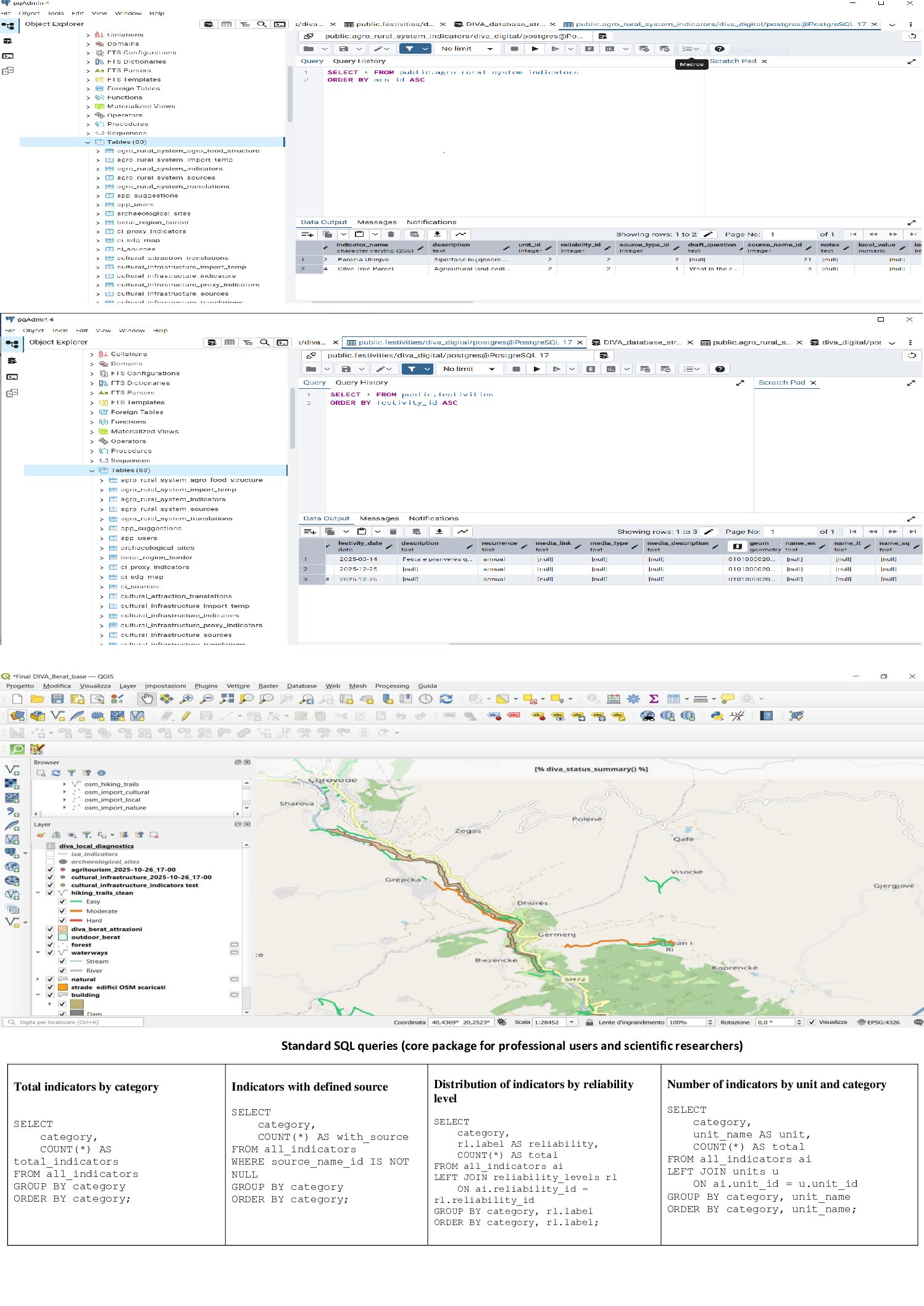
Who holds the technical responsibility for the database?
The technical responsibility lies with the IDVA team. The model, from the philosophy to the table structure and up to the GIS logic, was designed by the Project Founder and Leader, Ph.D Arjan Lame, together with Landscape Architect Matteo Guccione. It is not a “borrowed system,” but an architecture conceived to be understood and managed by those who actually work within the administration.
Which indicators have been selected?
Indicators have been selected that cover economy, territory, tourism, culture, environment, and services. Each indicator has a source, a reliability level, and a standard format, allowing the municipality to make real and comparable assessments over time.
How are the tables structured?
The tables follow the same architecture across all categories:
the same length, the same logic, and the same key fields. This uniformity allows the database to respond correctly, produces clean GIS layers, and feeds the dashboard without errors or “creative” interpretations.
What concrete benefits will the Municipality gain?
The model transforms data from scattered files into a single infrastructure: instant visualizations, clear reports, performance monitoring, and support for urban, economic, tourism, and environmental planning.
In short: less improvisation, more evidence-based decision making.
Can this model measure institutional performance?
Yes.
The indicators, sources, and reliability levels are designed exactly for this: to give the municipality an objective tool to understand where it stands and where it can improve.
It is not an Excel file: it is an evaluation system.
In the future, will a dedicated GIS expert be needed?
Not necessarily.
The model was built to be learned by those already working in the administration.
Two months of intensive training were enough to cover the basics of databases and GIS: proof that the structure is transferable and does not require “map wizards.”
Revealing the Power of Data
Insights from the DIVA Workshop: A New Era in Data Management
INSIGHT 1 – The Municipality has understood the indicators, but not yet the system behind them
Understanding the indicators reached 100% because they are concrete, visible, and intuitive.
The difficult part is not the indicators themselves, but the relational logic behind them, the coherence constraints, and the architecture that allows the system to function.
Workshop I clearly showed that the value of DIVA is not “which indicators,” but how all indicators interact with each other within a single coherent framework.
INSIGHT 2 – The real innovation is the DIVA/IDVA architecture, not the contents
The staff understood that:
-
it is not an Excel file
-
it is not a collection of numbers
-
it is not a project “to be closed and archived”
It is a digital infrastructure.
The architecture built by the Project Leader, Ph.D Arjan Lame, together with Landscape Architect Matteo Guccione, is the most innovative part: standard columns, synchronized fields, unified lookups, a structure that can be queried endlessly without breaking.
This is what impressed the Municipality, even if they didn’t yet have the technical vocabulary to say it.
INSIGHT 3 – The workshop revealed a problem: the lack of internal mastery of data
The Municipality’s questions (“Who is the database expert? Will GIS be needed? Can we measure performance?”) revealed one thing:
the administration does not have an internal model for data management.
DIVA fills exactly that gap.
Workshop I brought a truth to the surface: without a data structure, any institutional decision remains weak.
INSIGHT 4 – The staff understood that the model is replicable and transferable
It was highlighted that in just a few months of intensive work it was possible to master:
-
relational databases
-
PostGIS
-
QGIS
-
data integrity
-
visualizations
This delivered a fundamental message: DIVA does not create dependency, it creates capacity. And the administration appreciated that.
INSIGHT 5 – Dataset validation: the most critical yet most promising point
Validation is not a technical gesture.
It is a political and administrative act.
When a municipal specialist validates a dataset, they are saying:
“These are the official data of my institution.”
Workshop I showed that the Municipality had never faced this type of responsibility before.
Now it can, because the tools are clear and standardized.
INSIGHT 6 – Digitalization is not a goal: it is a behavior
Workshop I made it clear that digitalization means:
-
using the same formats
-
following common rules
-
respecting architectures
-
feeding systems, not isolated files
-
making decisions based on data, not opinions
The Municipality realized that DIVA is not technology; it is administrative discipline.
INSIGHT 8 – Workshop I confirmed that DIVA is not only an academic project but also an institutional one
Many university projects end up in drawers. The DIVA Team does not see it that way.
Because DIVA entered the Municipality of Berat through simple yet crucial questions.
It is no longer “a project.”
It is a process of administrative transformation.
Next Steps
After the success of Workshop I, the next steps for effectively implementing the IDVA project have been outlined.
Phase 1
Ongoing establishment of the Functional Groups
Forming groups based on the project’s technical needs to ensure effective implementation.
Phase 2
Compilation of the Initial Dataset
Completing and validating the Excel sheets according to DIVA standards.
Phase 3
Placement of Points on the Map
Starting the GIS work to map tourism, culture, and events.
Phase 4
Development of the Interactive Dashboard
Creating a dynamic visualization of the collected data to facilitate analysis.
Stay Updated on Upcoming DIVA Events
Don’t miss the opportunity to be part of the change! Subscribe to our newsletter to receive exclusive updates on upcoming events and developments of the DIVA project. Join us on the path toward smarter and more transparent governance.